
Hearty Slow Cooker Beef Stew
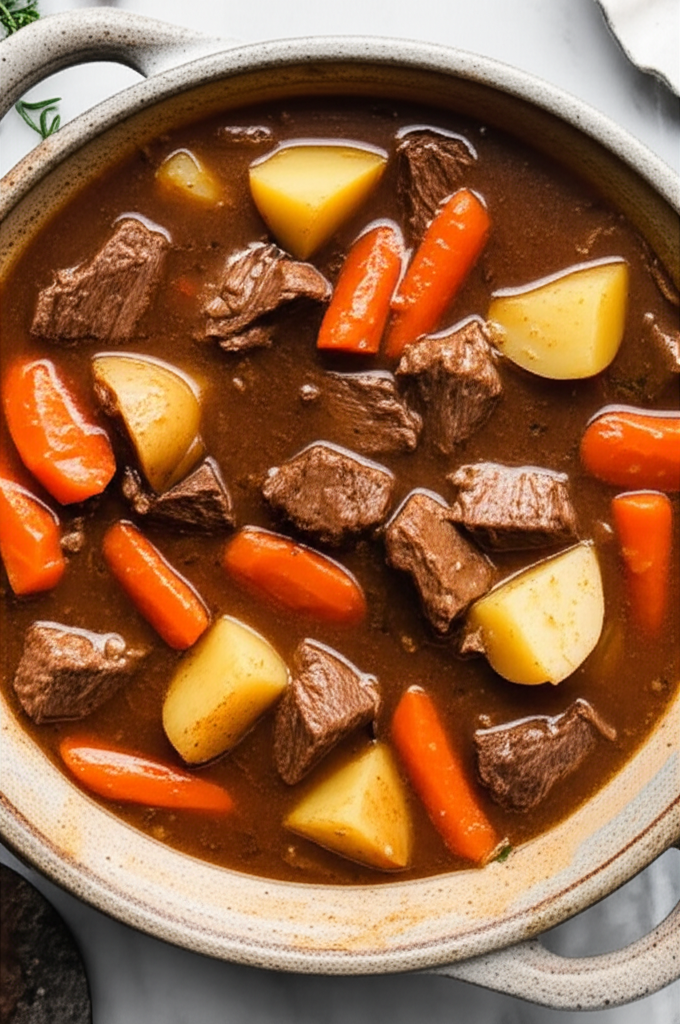
Hearty Slow Cooker Beef Stew has a lot of veggies, like carrots and potatoes, and a very tender chuck roast. The broth is full of flavor since it is properly seasoned. After a long day, dig into this classic comfort dish. This crockpot beef stew recipe is excellent for family dinner!
I took my amazing original beef stew recipe, changed a few things, and put it in the crockpot. That’s how this slow cooker beef stew came to be. It tastes very good!
That’s a lot, as I don’t really like crockpots. The carrots and potatoes are soft but not mushy, and the flavor is there from garlic, beef stock, tomato paste, Worcestershire sauce, a few spices, and more. Not at all bland, which is what a lot of slow cooker dishes are. Whomp whomp. You can eat the beef stew by itself or on top of a big pile of mashed potatoes. Just thinking about this dish makes my mouth water. The finest beef stew ever made in a crockpot—you’re going to love it!
Mary says:
“Made as it was written, with no changes.” This is the best beef stew recipe I’ve ever seen, therefore I’m getting rid of all the others. “Thank you so much for the great meal when I got home.”
This Slow Cooker Beef Stew is so hearty and flavor-packed, loaded with vegetables, super tender meat, and a well seasoned broth. Dig into classic comfort food after a long day, this crockpot beef stew recipe will become a family dinner favorite!
Time & Servings
Prep Time 15minutes minutes
Cook Time 8hours hours
Total Time 8hours hours 15minutes minutes
Servings: 8
Equipment
6 quart slow cooker
Ingredients Needed
What do you need to make this crockpot beef stew? This is what you need to make this beef stew in a crockpot. For the specific measurements, scroll down to the recipe card below.
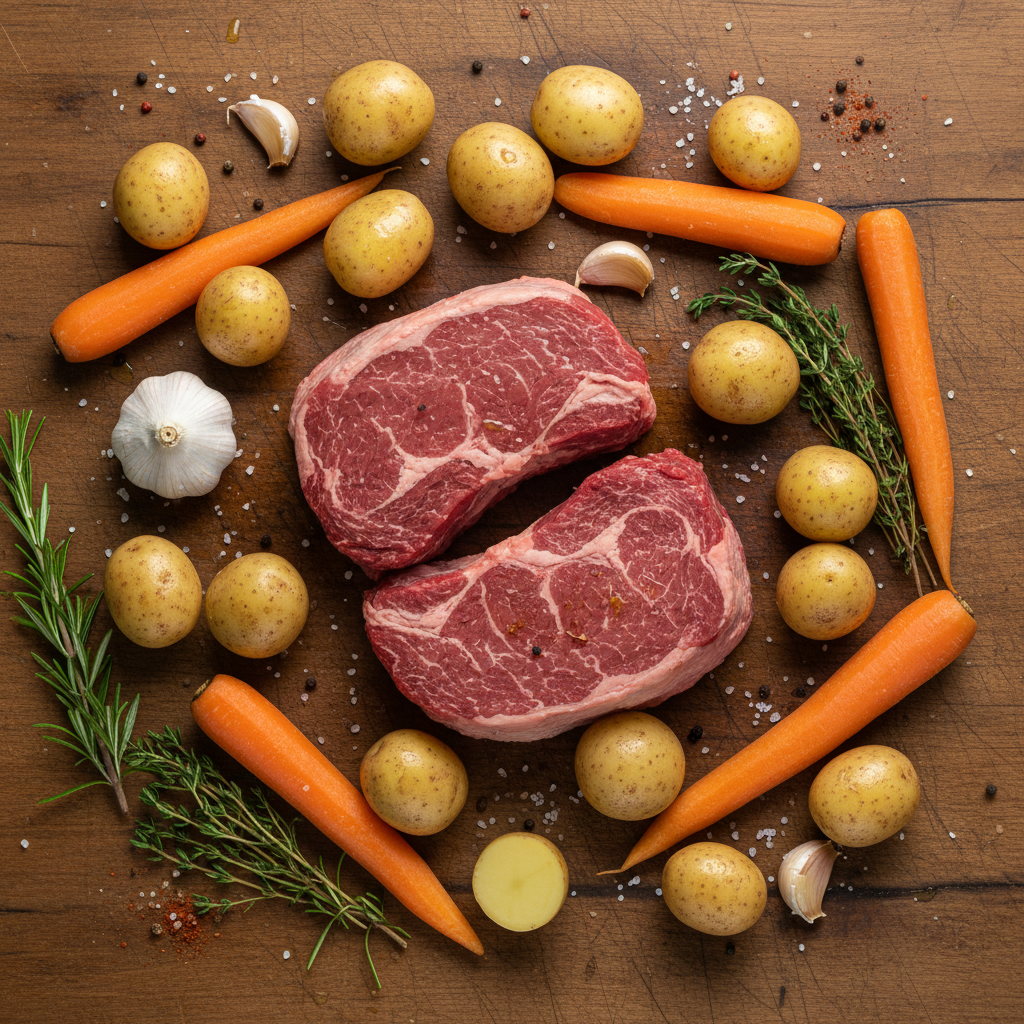
- Meat: The best meat to use for beef stew is boneless beef chuck roast. It has a good combination of meat and fat, and it has a lot of connective tissue that breaks down after being cooked slowly all day, making it very soft.
- Baby new potatoes, carrots, peas, onion, and garlic provide flavor, heartiness, texture, and a range of colors to the stew.
- The base of the stew is low-sodium beef broth, vegetable juice (such V8), and Worcestershire sauce. These add a lot of flavor. In my Irish beef stew, I use red wine, but not in this crockpot beef stew recipe. You could, though, and that would give another excellent taste!
- Tomato paste gives the base a strong tomato flavor.
- Flour: This helps the gravy get thicker. If you need to, you could use cornstarch instead.
- Olive oil: Used to brown the meat before putting it in the slow cooker.
- Seasonings: A mix of thyme, oregano, smoked paprika, mustard seeds, bay leaves, fresh parsley, salt, and pepper is the perfect way to flavor the meat and broth.
Ingredients List
- 2 tablespoons extra-virgin olive oil
- 2 pounds beef chuck roast , cut into 1 to 1 1/2-inch cubes
- Kosher salt and freshly ground black pepper , to taste
- 1 pound baby new potatoes , halved
- 4 medium carrots , peeled and cut into 1/2-inch thick pieces
- 1 large sweet onion , diced
- 3 cloves garlic , minced
- 2 cups low-sodium beef broth
- 1 cup vegetable juice (such as V8)
- 3 tablespoons tomato paste
- 1 tablespoon Worcestershire sauce
- 1 sprig fresh thyme (or 1/2 teaspoon dry)
- 1 teaspoon dried oregano
- 1 teaspoon smoked paprika
- 1 teaspoon mustard seeds
- 2 bay leaves
- 3 tablespoons all-purpose flour
- 1/2 cup frozen peas , thawed
- 2 tablespoons chopped fresh parsley leaves , for garnish
Instructions
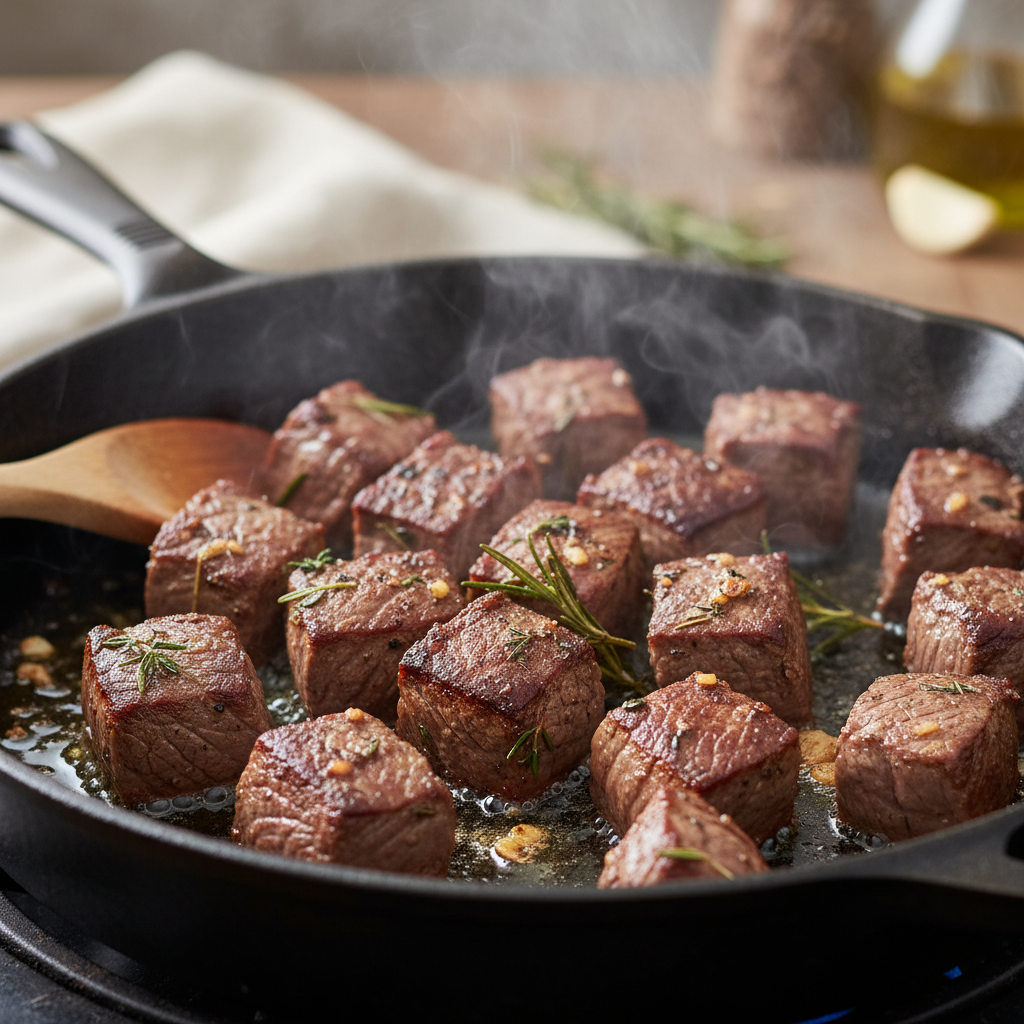
- Warm olive oil in a large skillet over medium heat.
- Season beef with salt and pepper, to taste. Add beef to the skillet and cook until evenly browned, about 2-3 minutes.
- Place beef, potatoes, carrots, onion, and garlic into a 6-quart slow cooker.
- In a bowl, mix together the beef broth, vegetable juice, tomato paste, Worcestershire, thyme, oregano, paprika, and mustard seeds until thoroughly incorporated; pour over the the beef and veggies.
- Toss in 2 bay leaves and season with salt and pepper, to taste.
- Cover and cook on low heat for 7-8 hours.
- In a small bowl, whisk together flour and 1/2 cup stew broth to create a slurry. Slowly stir the ingredients into the slow cooker. Cover and cook on high heat for an additional 30 minutes, or until thickened.
- During the last 5 minutes, stir in the peas.
- Discard bay leaves and thyme sprig.
- Serve immediately in bowls, garnished with parsley, if desired.
Quick Overview of Steps
It’s really easy to make this crockpot beef stew recipe! Here is a quick list of steps.You can find the printable version of the complete instructions and video in the recipe card above.
- Warm olive oil in a large skillet.
- Season beef with salt and pepper, add to the skillet and brown all over.
- Place beef, potatoes, carrots, onion, and garlic into a greased 6-quart slow cooker.
- Whisk together the liquids and seasonings until well combined; pour over the the beef and vegetables.
- Toss in bay leaves and season with salt and pepper.
- Cover and simmer on low heat for 7 to 8 hours until meat is very soft and falling apart at the touch.
- During the last 5 minutes, stir in the peas.
- Discard bay leaves and thyme sprig.
- Serve immediately in bowls, garnished with parsley and enjoy!
Tips & Notes
If you want to thicken the broth, this recipe says to cook it on low for 7 to 8 hours and then add another 30 minutes. While you can cook on high for 3-4 hours, I do not recommend it. Low and slow is the way to go to produce delicate, fall-apart meat and deep flavors!
To make the liquid more like gravy, you need to make a slurry. In a small bowl, mix together the flour and 1/2 cup stew broth until blended and smooth. Slowly stir the ingredients into the slow cooker. For another 30 minutes, or until it thickens, cover and cook on high heat.
If you cut the cubes of beef too small, they will fall apart before they can absorb up all the flavor from cooking slowly all day.
First, brown the meat! Browning the beef before adding in all the other ingredients is crucial! Forming a good crust on all the pieces of meat locks in flavor. This extra step is well worth it!
You can peel your potatoes if you wish, but with newborn fresh potatoes, it’s not required. If they are on the exceptionally large side, you might wish to quarter them.
Chicken stock can replace the beef broth if that’s all you have, however the overall taste will not be as deep.
Serving & Storage Suggestions
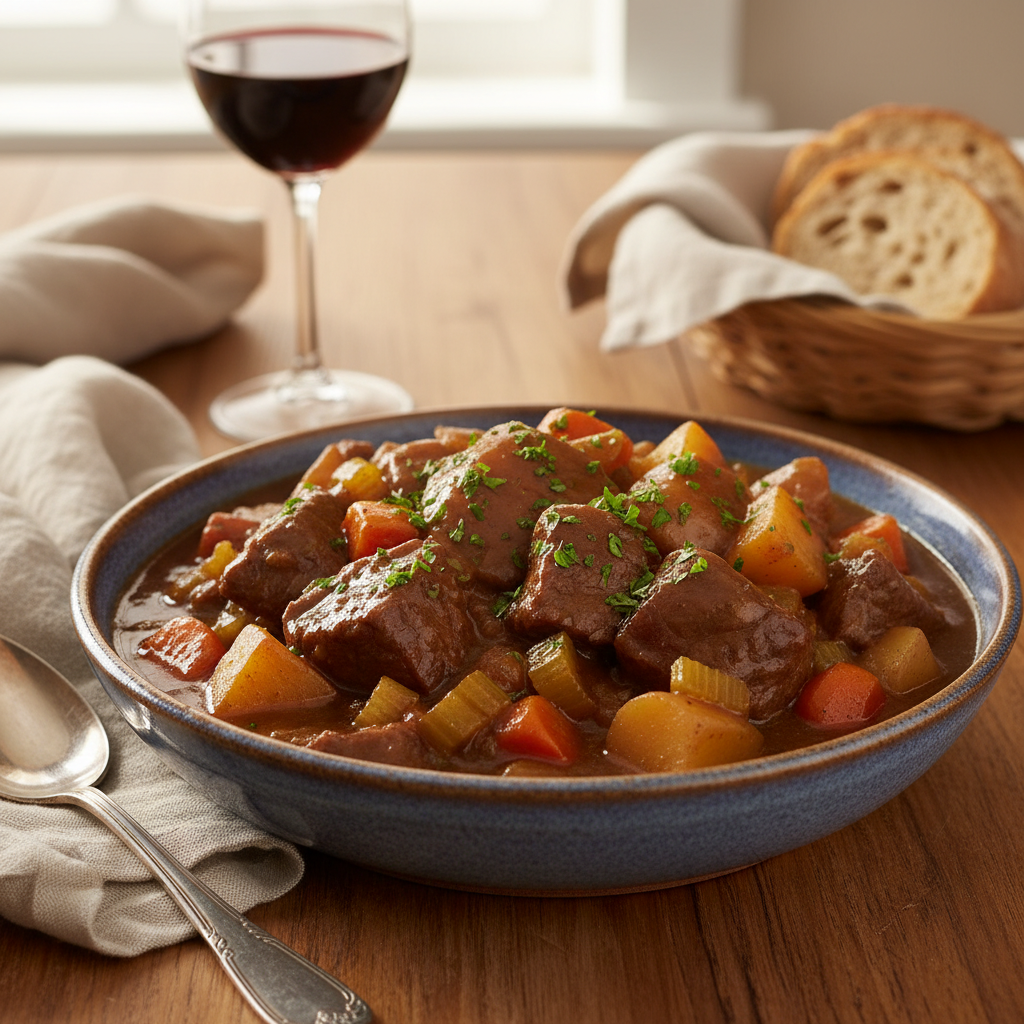
Loaded with beef and so many veggies, this is a complete meal in a bowl and doesn’t need anything else, but it’s hard to resist not serving it with mashed potatoes, or fresh popovers or Irish soda bread warm from the oven to mop up the gravy! A simple side salad could balance up dinner, too.
Stews are so excellent the next day, so make sure you save enough to enjoy leftovers for lunch!
How long does beef stew last?
Allow stew to cool fully, then transfer to airtight containers and keep in the refrigerator for up to 4 days.
Can I freeze beef stew?
Yes, you can freeze beef stew (although the vegetables tend to get softer and break down into smaller pieces after thawing.) Make sure to leave a 1/4-1/2 inch gap in the container to allow for expansion. Stored properly, it will keep in the freezer up to 3 months. If you know in advance you’ll want to freeze the stew, wait to thicken it until you reheat it.
For recipe tips, thickening the stew, and storage info, please refer to the full article.
Nutritional Information
Calories: 341kcal | Carbohydrates: 23g | Protein: 26g | Fat: 17g | Saturated Fat: 6g | Cholesterol: 78mg | Sodium: 358mg | Potassium: 1045mg | Fiber: 4g | Sugar: 6g | Vitamin A: 6405IU | Vitamin C: 27mg | Calcium: 62mg | Iron: 4mg
Nutritional information given is an automatic calculation and can vary based on the exact products you use and any changes you make to the recipe. If these numbers are very important to you, I would recommend calculating them yourself.