
Keeping your gut healthy is important for more than simply digestion; it also affects your general health, energy, and mood.
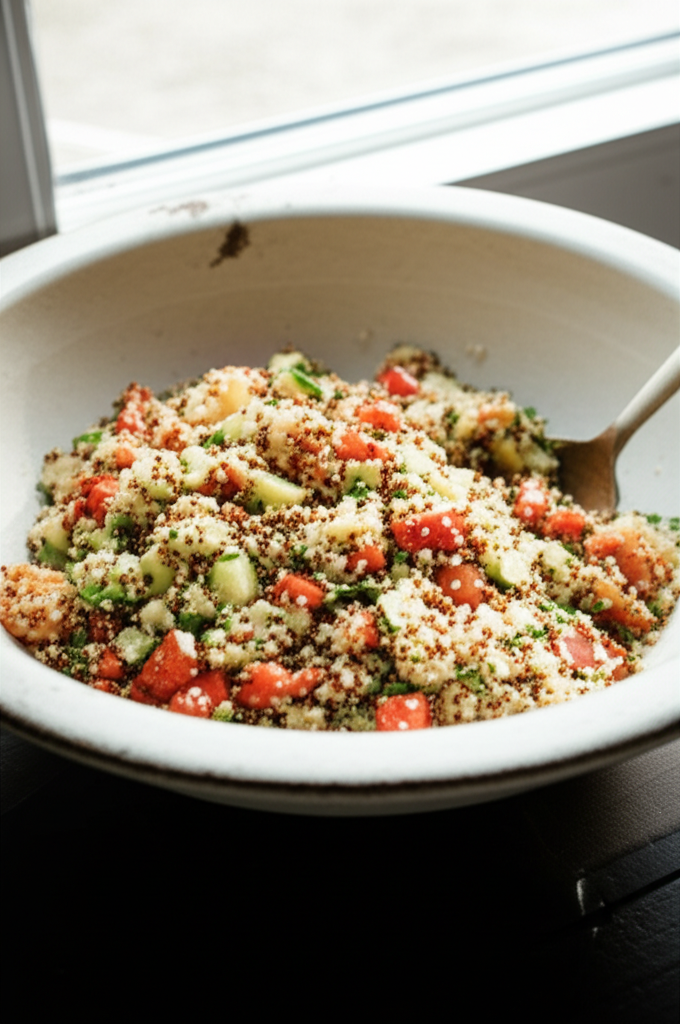
To minimize bloating, improve nutrition absorption, and stay healthy for a long time, your gut microbiota has to be in balance. Here is a list of the greatest foods for a diet that is good for your gut, along with some easy dish ideas to help you get started.
Understanding Gut Health and Fiber
Gut health is how well your digestive system works and how many good and bad microorganisms it has. There are trillions of microorganisms in your gut microbiome, which helps with digestion, the immune system, and even brain function. A diet high in fiber, probiotics, and prebiotics is important for keeping this system working well.
Fiber is important for breaking down food. It keeps everything moving and feeds the healthy bacteria in your gut. There are two kinds: soluble fiber, which dissolves in water, and insoluble fiber, which makes your stools bigger. Both are very important for gut health.
The best foods with a lot of fiber are:
- Oats, quinoa, and brown rice are all whole grains.
- Apples, pears, and berries are fruits.
- Brussels sprouts, broccoli, and carrots are vegetables.
- Lentils, chickpeas, and black beans are all legumes.
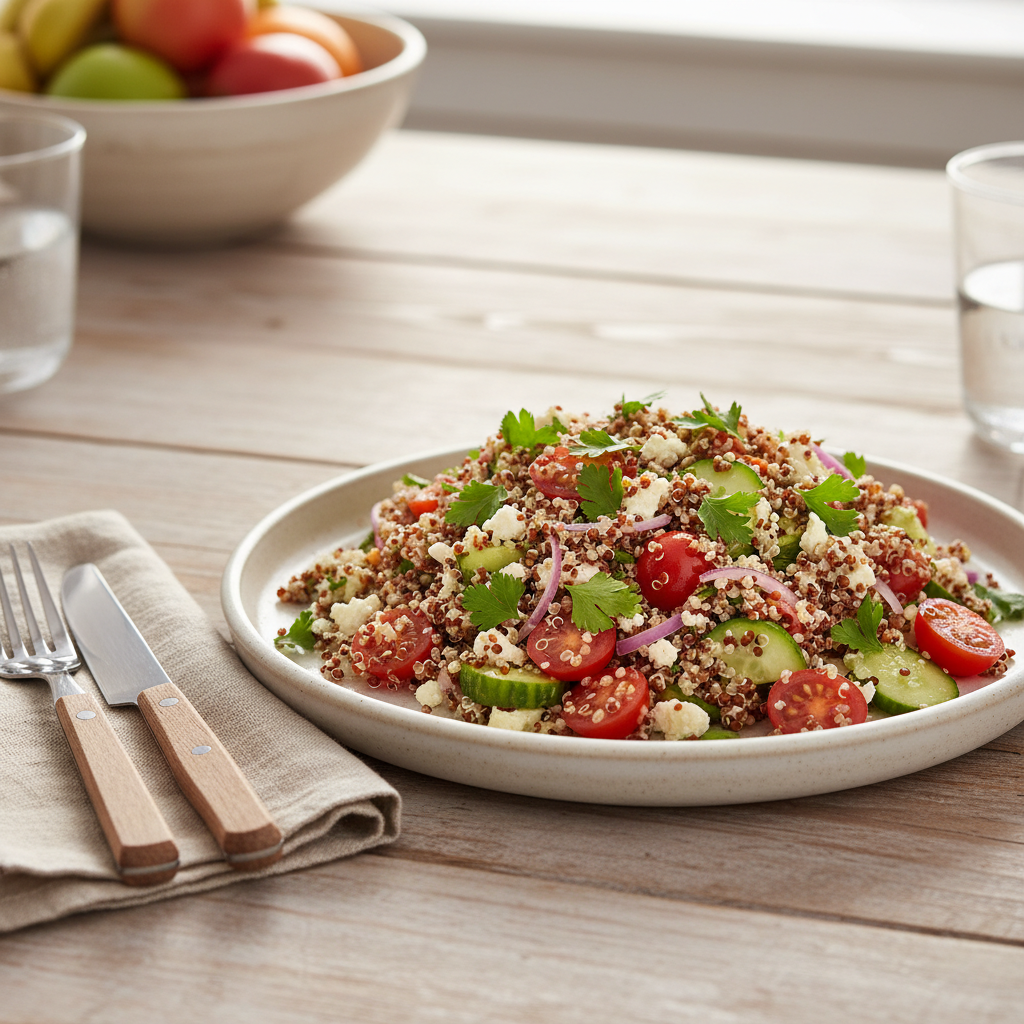
How about making a quinoa salad with vegetables?
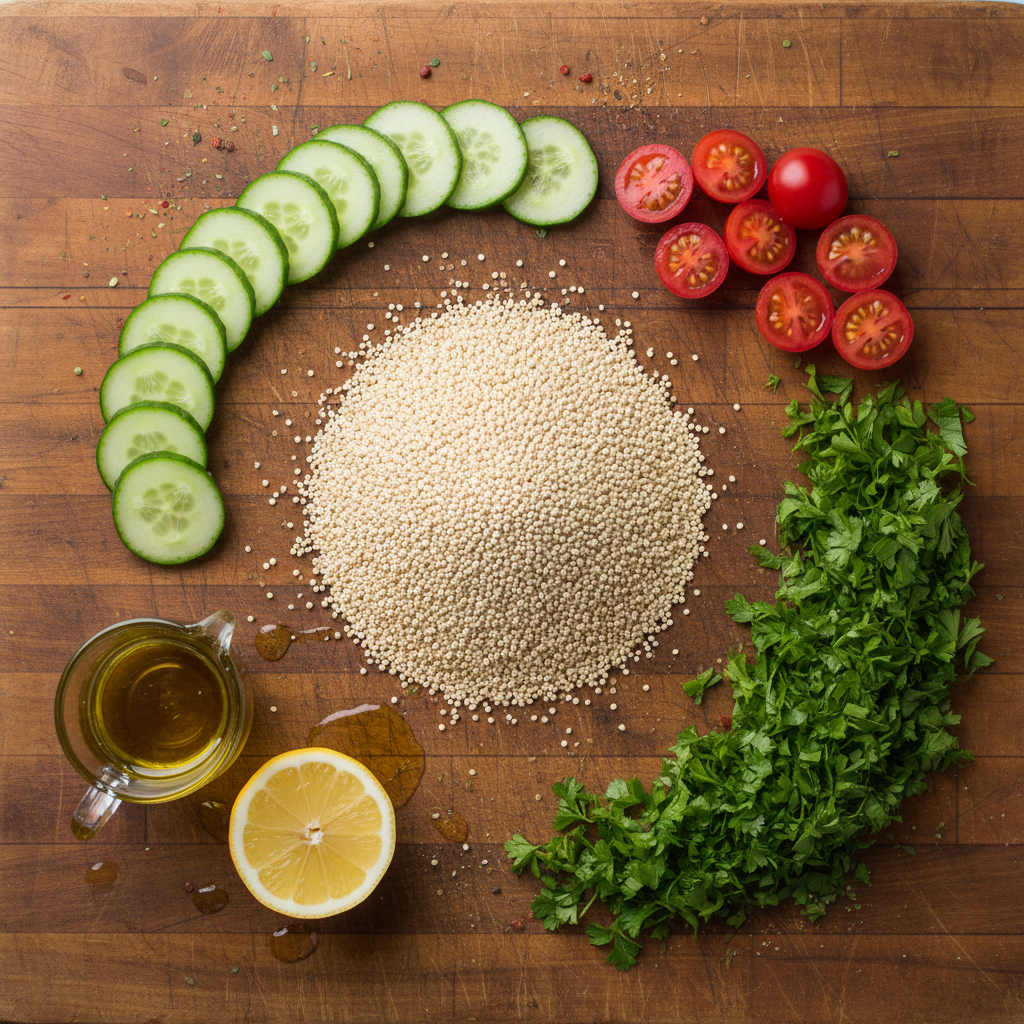
- 1 cup quinoa
- 1 cup chopped cucumbers
- 1 cup cherry tomatoes, halved
- 1/4 cup chopped parsley
- 2 tablespoons olive oil
- 1 tablespoon lemon juice
- 1/4 teaspoon salt
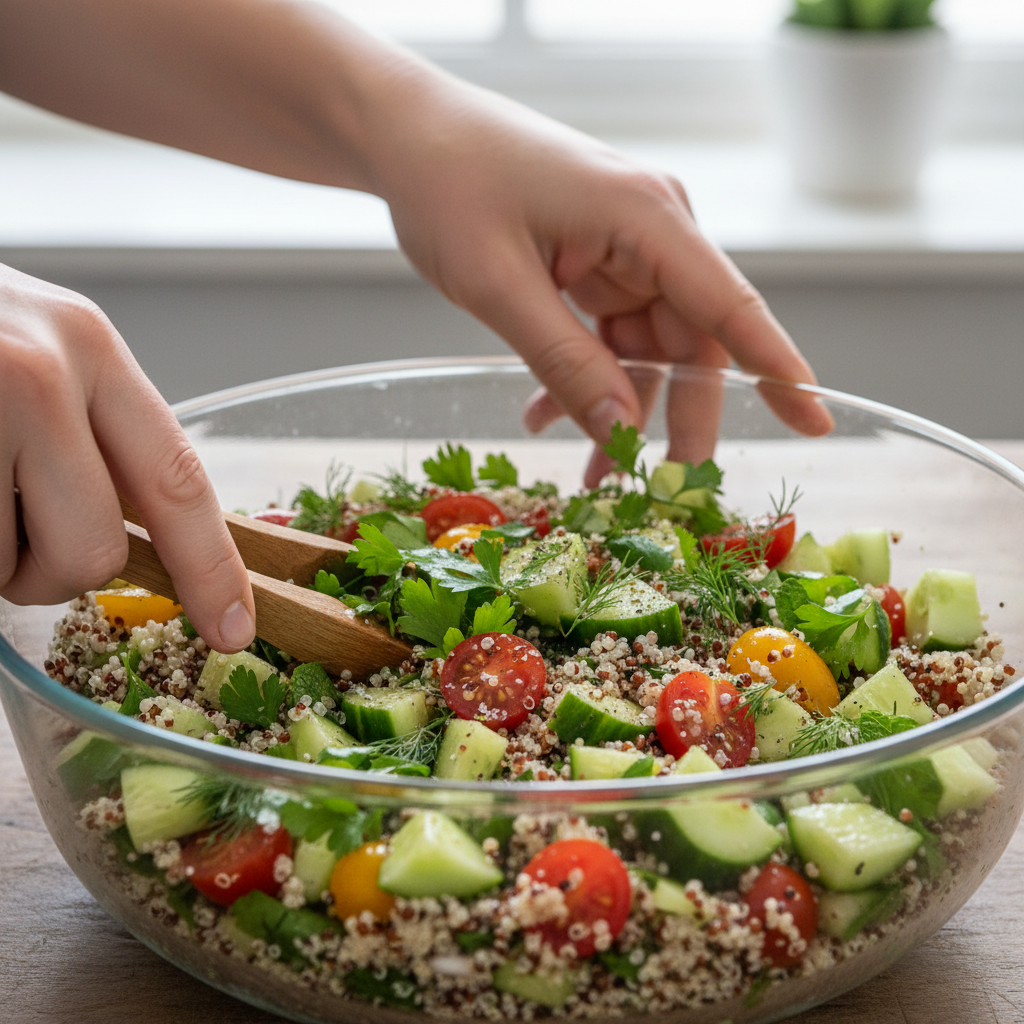
Prepare one cup of quinoa. Mix in some chopped cucumbers, cherry tomatoes, and parsley. Add olive oil and lemon juice on the top. For taste, add a little salt.
Probiotics: Living Bacteria for Your Gut
Probiotics are living bacteria that help keep your gut healthy. They help keep your gut microbiome in check, especially when you take antibiotics or have digestive problems like constipation.
Top Foods High in Probiotics:
- Yogurt: Pick plain, unsweetened kinds that have living cultures.
- Kefir is a palatable fermented milk that tastes sour.
- Sauerkraut is fermented cabbage that is full of probiotics.
- Kimchi is a spicy, fermented vegetable dish from Korea.
Yogurt Parfait Recipe Idea
- 1 cup plain yogurt
- 1/2 cup granola
- 1/2 cup fresh berries
For a healthy breakfast or snack, layer plain yogurt with granola and fresh berries.
Prebiotics: Food for Probiotics
Prebiotics are what probiotics eat. They help the healthy bacteria grow, which makes your gut health better over time.
Best Foods for Prebiotics:
- Garlic and onions: They add flavor and help intestinal flora develop.
- Bananas, especially ripe ones.
- Asparagus: Full in fiber and prebiotics.
How to Make Roasted Garlic Asparagus
- 1 bunch asparagus spears
- 1 tablespoon olive oil
- 2 cloves minced garlic
Drizzle olive oil over the asparagus spears, add minced garlic, and roast them at 400°F for 15 minutes.
Fermented Foods for Better Digestion
Probiotics are found in a lot of fermented foods. Fermentation also helps digestion by breaking down food, which makes it easier for the body to absorb nutrients.
You Can Make These Fermented Foods at Home:
- You may make yogurt at home with a yogurt starter and milk. This is a fresh choice that doesn’t have any preservatives.
- Kombucha: You can make this fizzy fermented beverage at home with a SCOBY starting kit.
- Pickles: Put cucumbers in a saltwater brine and let them ferment for a crisp snack.
Whole Grains Support Digestion
Whole grains have a lot of fiber and are less processed than refined grains, which lose their benefits. They help your digestion by making sure you have regular bowel motions.
Recipes that are good for your gut:
Overnight oats:
- ½ cup rolled oats
- 1 cup almond milk
- A handful of berries
Put ½ cup of rolled oats, 1 cup of almond milk, and a handful of berries in a jar. Put it in the fridge overnight.
Brown Rice Bowl:
Serve steamed rice with roasted vegetables and a dab of tahini sauce.
Fruits Rich in Fiber and Antioxidants
Fruits have a lot of fiber, antioxidants, and natural sugars in them. They are a terrific way to make your diet sweeter and better for your digestion.
Fruits that are good for you:
- Apples have a lot of pectin, which is a type of soluble fiber.
- Blueberries, raspberries, and strawberries are all high in fiber.
- Bananas are good for calming an upset stomach.
Idea for a Recipe: Smoothie That Is Good for Your Gut
- 1 banana
- A handful of spinach
- 1 cup water
- 1/2 cup yogurt
Mix together 1 banana, a handful of spinach, 1 cup of water, and 1/2 cup of yogurt to make a drink that will cool you off.
Cruciferous Vegetables and Leafy Greens
Cruciferous vegetables and leafy greens are great for your intestines. They have a lot of vitamins, minerals, and fiber.
The Best Vegetables to Eat:
- Spinach, kale, and Swiss chard are leafy greens.
- Cruciferous vegetables include Brussels sprouts, broccoli, and cauliflower.
Garlic Roasted Broccoli: A Recipe Idea
- 1 head broccoli florets
- 1 tablespoon olive oil
- 2 cloves minced garlic
Put olive oil and minced garlic on the broccoli florets and mix them together. For 20 minutes, roast at 375°F.
Healthy Fats for Inflammation and Gut Balance
Healthy fats, such omega-3s, help keep your gut healthy by lowering inflammation and keeping your flora in balance.
The best places to get healthy fats are:
- Spread avocado on toast or mix it into smoothies.
- Use olive oil to make salad dressings or to lightly sauté.
- Almonds, chia seeds, and walnuts are nuts and seeds.
Avocado Toast with Seed Topping: A Recipe Idea
- 1 slice whole-grain toast
- 1/2 avocado
- A touch of salt
- Chia seeds
Put half an avocado on whole-grain toast and mash it up. Add a touch of salt and some chia seeds on top.
Legumes: Fiber, Protein, and Prebiotics
Legumes are full of fiber, plant-based protein, and prebiotics. They are great for your gut health and digestion.
Lentil Soup: A Recipe Idea
- 1 large carrot, diced
- 2 cloves garlic, minced
- 1 medium onion, diced
- 2 cups lentils
- 4 cups vegetable broth
- Seasonings (e.g., cumin, turmeric, salt, pepper)
Sauté the carrots, garlic, and onions. Put in 2 cups of lentils, 4 cups of vegetable broth, and some seasonings. Let it simmer for 30 minutes.
Herbs and Spices to Aid Digestion
Some herbs and spices not only make food taste better, but they also help with digestion and reduce inflammation.
Best Choices for Gut Health:
- Ginger is great for nausea and bloating.
- Turmeric: Helps with inflammation.
- Peppermint: Soothes an unsettled stomach.
Ginger Tea: A Recipe Idea
- 1 inch freshly cut ginger, sliced
- 2 cups boiling water
- Honey (to taste)
- Lemon (to taste)
Put freshly cut ginger in boiling water. Add honey and lemon to make it taste better.
Hydration is Key
It is important to drink adequate water for your digestion. It helps break down nutrients and transport waste through your body more quickly. Try to drink 8 to 10 cups of water every day, and add herbal teas for an extra boost.
Foods to Avoid for Gut Health
Certain meals can hurt your gut and throw off your microbiome. Cut back on processed foods, sugary foods, and fried items that are high in fat. Instead of sugary snacks, eat fruits, and instead of fried chips, eat roasted vegetables.
Conclusion
It doesn’t have to be hard to eat for intestinal health. Eating foods that are high in fiber, probiotics, and prebiotics can help your digestion and improve your health in general. Try out these dishes, learn to eat mindfully, and remember that your gut will thank you!